Learn
Master computer science fundamentals and never stop learning.
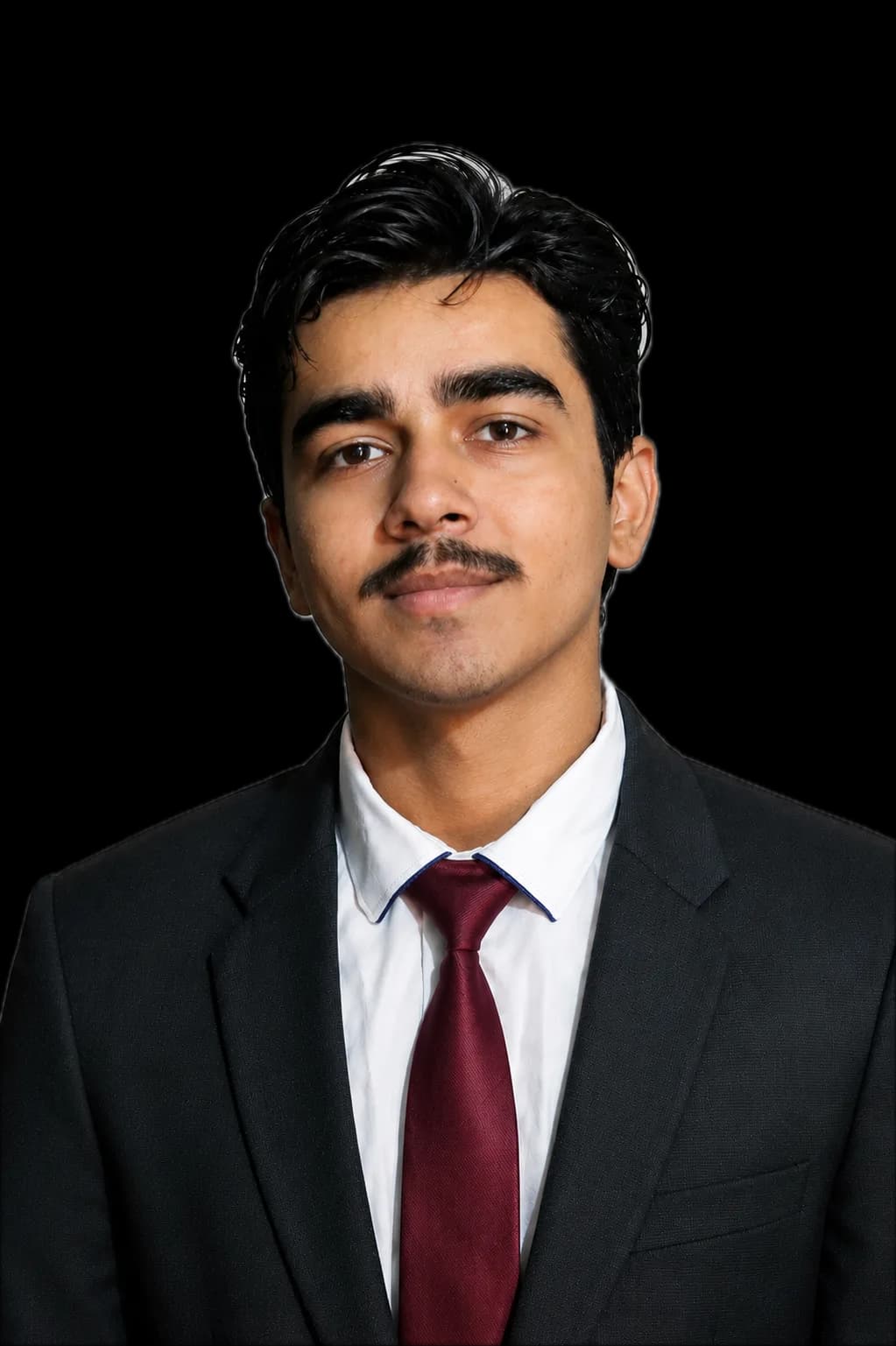
Hello! I'm Muhammad Maaz
Software Engineer focused on building scalable full-stack applications while exploring AI, system design, networking, and cybersecurity.
How I work
Three principles behind every project — hover each card to see it come alive.
Master computer science fundamentals and never stop learning.
Explore better ways to solve problems and improve products.
Create scalable products that solve real-world problems.
By the numbers
A quick pulse on how I ship, learn, and stay curious — hover any metric for the story behind it.
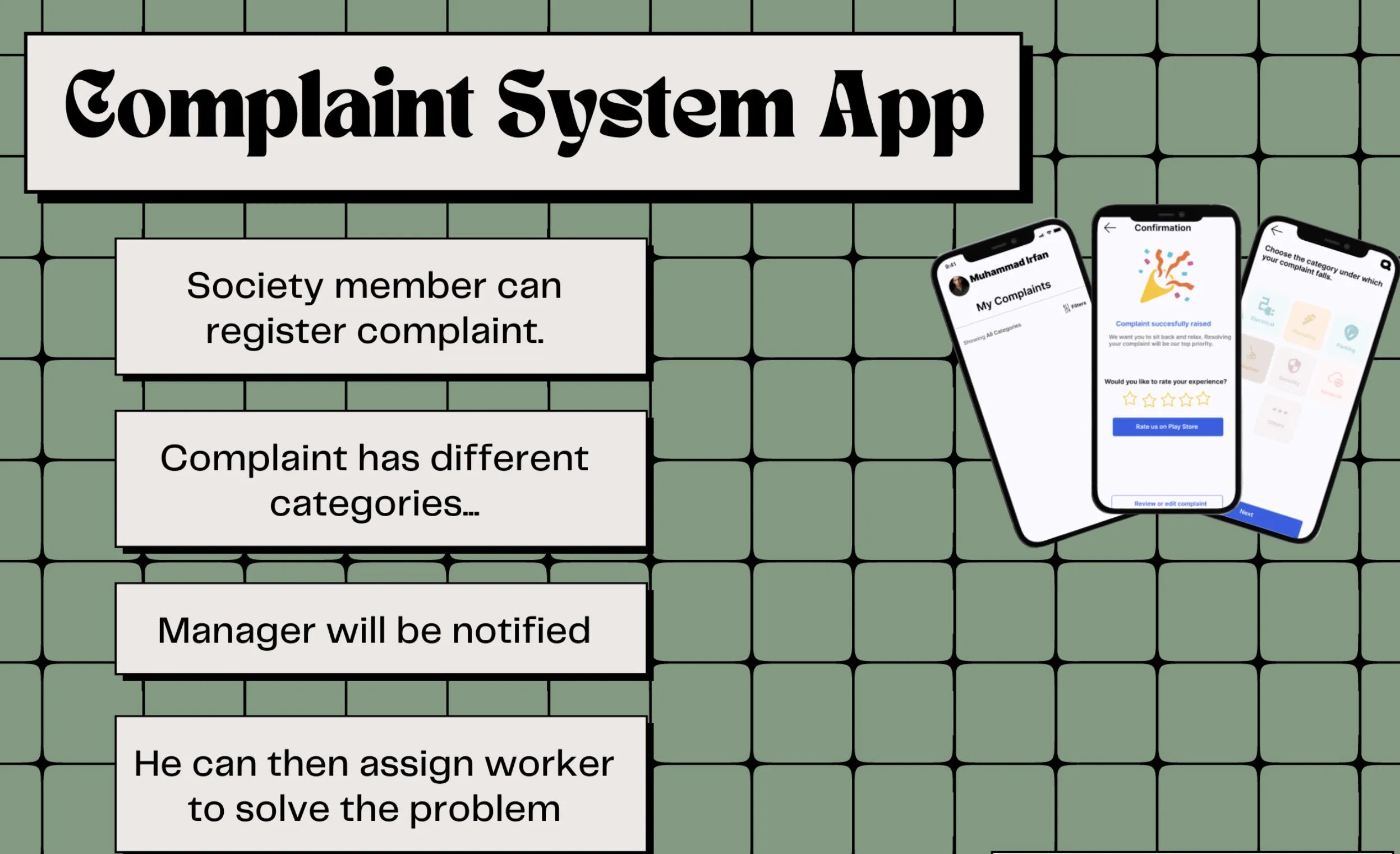
A modern complaint management platform with authentication, role-based access control, and real-time complaint tracking.
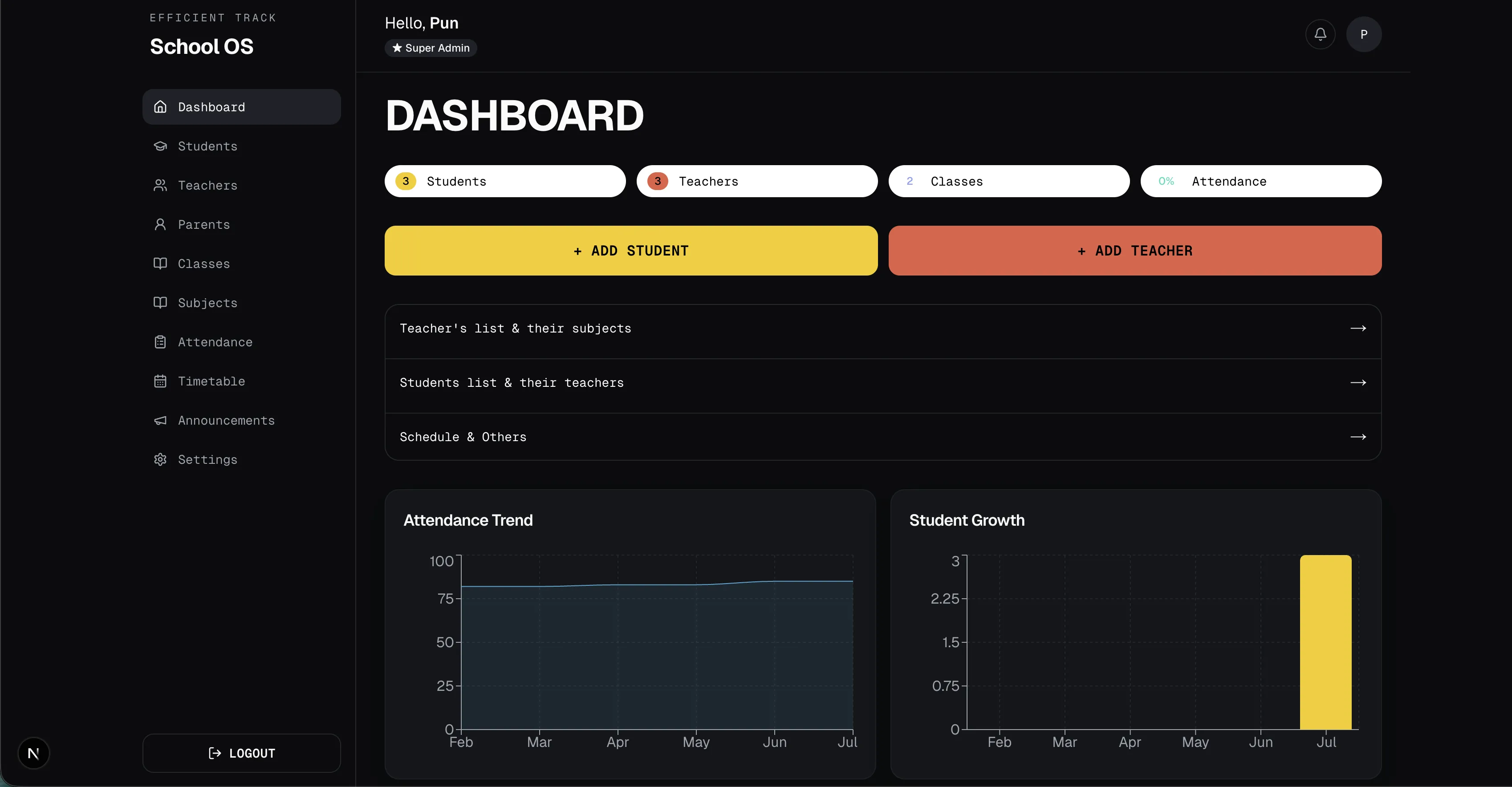
A smart school management platform designed to simplify communication, attendance, analytics, and student management.
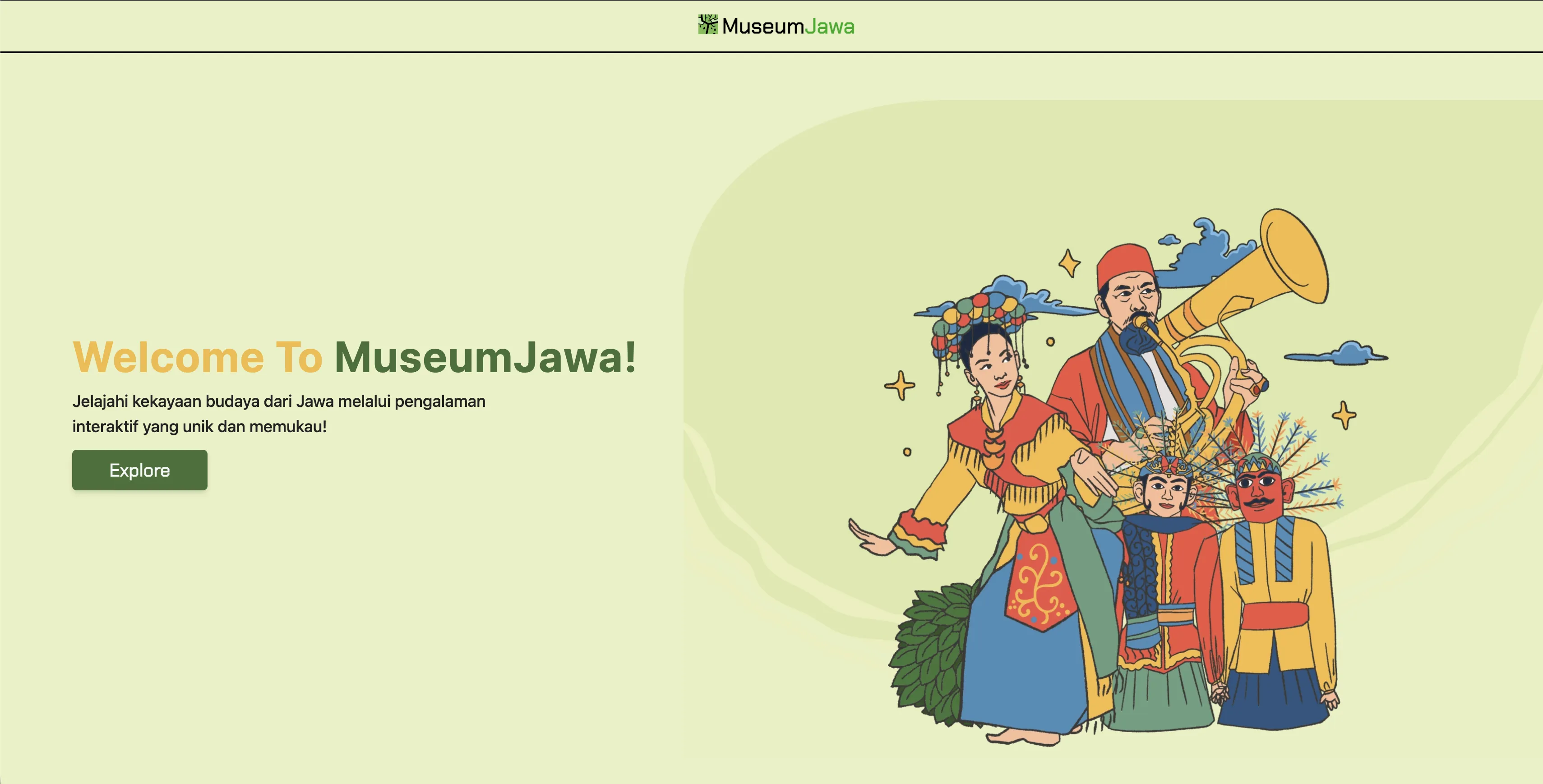
An interactive website to explore and learn about Indonesian Java culture, with a beautiful and highly interactive user experience.
Start by understanding the problem, business goals, and technical constraints before designing a solution.
Plan clean architecture, scalable systems, and maintainable code before implementation.
Develop reliable software with modern technologies, testing, and performance in mind.
Continuously iterate based on feedback, analytics, and real-world usage.
Engineering workflow
Skills list what I use. This is how I actually solve problems — click any stage to see the focus, tools, examples, and traps I avoid.
Stage detail
What I focus on
Define the real user and business problem before touching code. Separate symptoms from root causes.
Tools I use
Real example
For complaint systems: the problem wasn't "need an app" — it was routing ownership and visibility across roles.
Mistakes I avoid
Jumping into features because they sound impressive, not because they reduce pain.
Architecture whiteboard
Explore how I design a production request path — click any node for why it exists, where it bottlenecks, and how I'd scale it.
Case system
Complaint Management System
A walkthrough of the shape I'd take a complaint platform toward under real traffic — grounded in the product I shipped, extended into the design decisions that matter at scale.
Request path — hover or click a node
The path so far
Scroll to move through each chapter of the journey.
Chapter year
2021
01 / 08
Chapter year
2021
01 / 08
2021
Took CS50 Introduction to computer science. Wrote the first programs out of curiosity — small scripts that made the machine do something on command.
Lesson learned
Clarity beats cleverness. If you can explain it simply, you understand it.
2022
Dug into memory, pointers, and how programs actually run — the foundation under every abstraction.
Lesson learned
High-level frameworks make sense only after you respect the low-level costs.
2023
Moved from static pages to interactive UIs — components, state, and thinking in interfaces.
Lesson learned
UI is a system. Consistency and composition matter more than one-off polish.
2024
Shipped full-stack ideas end to end — auth, data models, deployment, and real users giving feedback.
Lesson learned
Shipping teaches faster than planning. Measure, then refine the architecture.
2024
Started designing for scale: boundaries, failure modes, caching, and how services talk under load.
Lesson learned
Every technology choice is a trade-off. Name the constraint before you pick the tool.
2025
Took products beyond the browser with React Native — shared logic, native feel, field-ready workflows.
Lesson learned
Mobile constraints force better product decisions: offline, latency, and focus.
2025
Studying knowledge representation, agents, and how to ground models in reliable systems — not just prompts.
Lesson learned
AI is powerful when paired with structure: retrieval, rules, and measurable outcomes.
2026
Focused on products that grow: clean architecture, observability, and systems that stay maintainable.
Lesson learned
Scale is a design problem first. Code quality is how you keep options open.
Scroll to continue the story
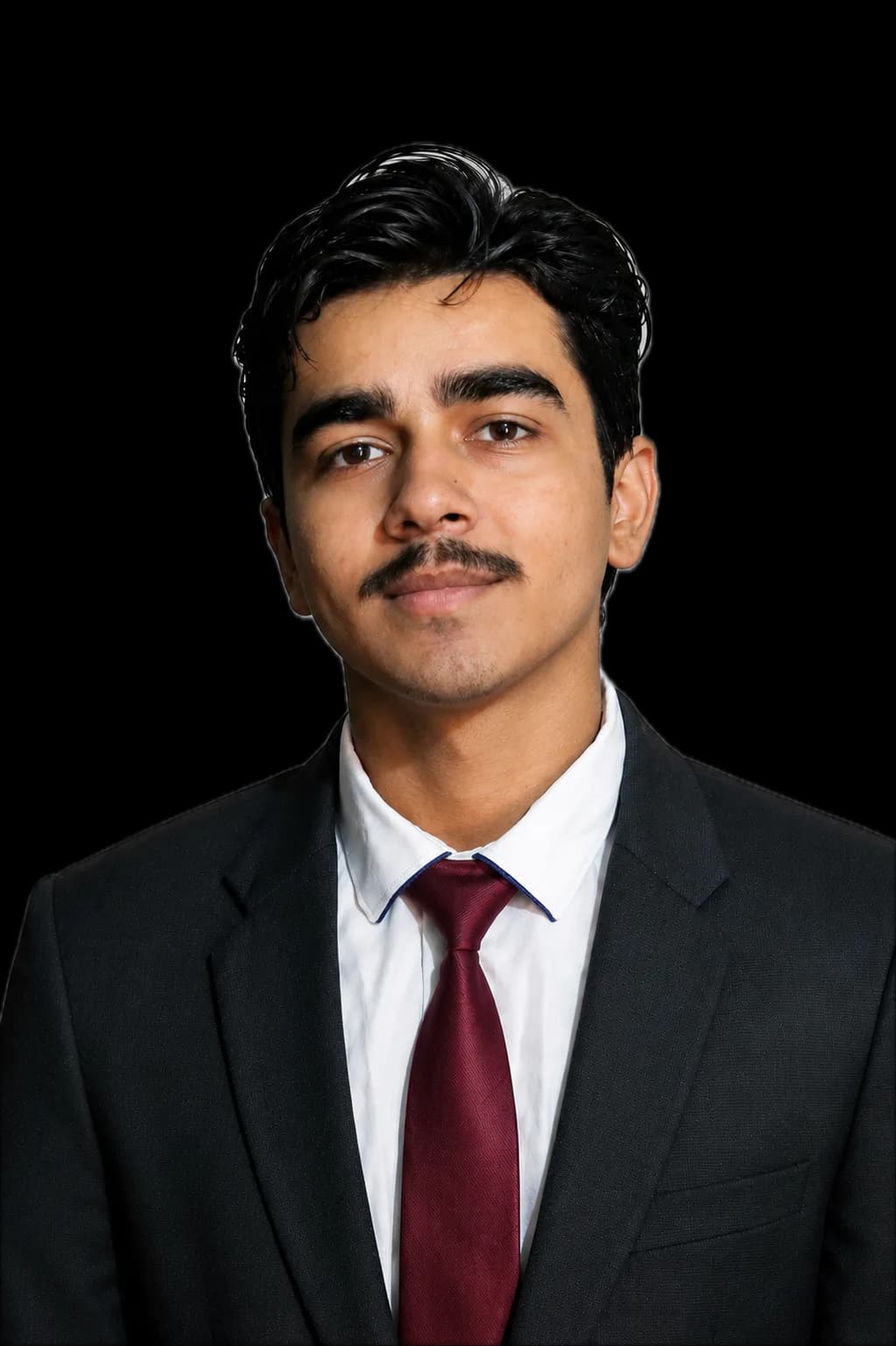
I'm Muhammad Maaz, a software engineer passionate about building reliable software and understanding the principles behind great systems. I spend most of my time developing full-stack applications while studying computer science fundamentals, system design, artificial intelligence, networking, and cybersecurity.
Beyond programming, I'm passionate about entrepreneurship, content creation, and sharing what I learn. My goal is to build products that solve meaningful problems while continuously improving as an engineer and lifelong learner.
Focus
Whether you're building a startup, a web application, or an AI-powered product, I'd love to hear about it.